
Buccal Massage Gallery
$$MultiPurposeText$$
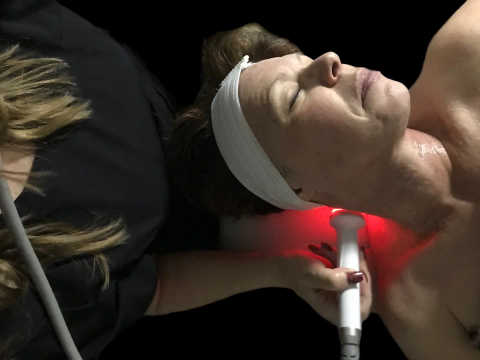
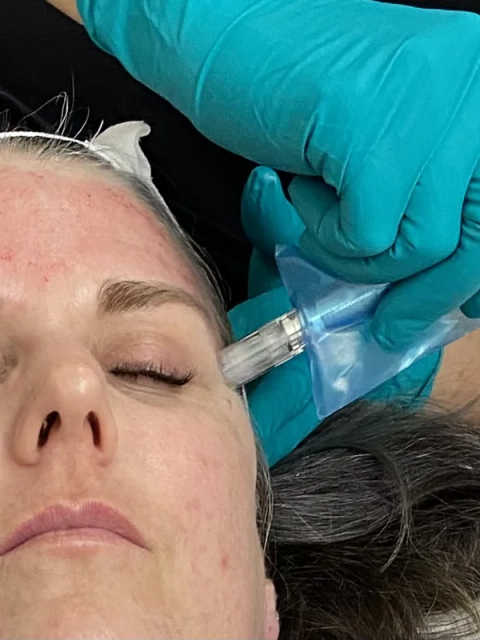
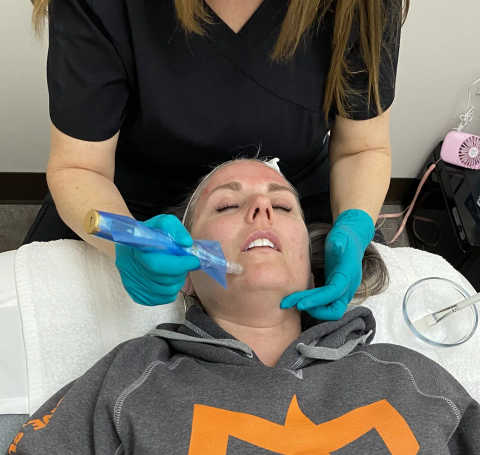
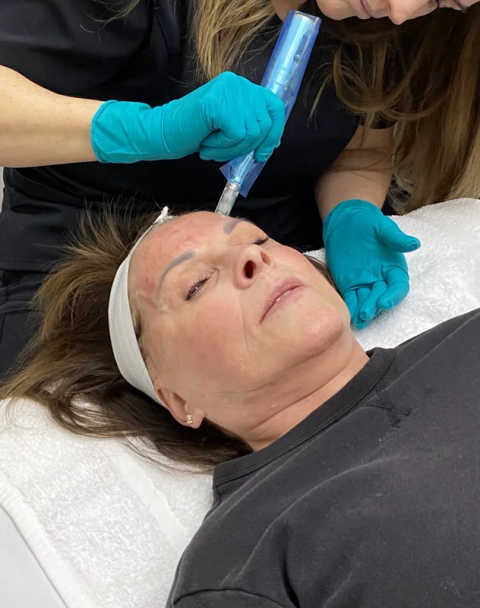
See examples of our Buccal Massage work and results.
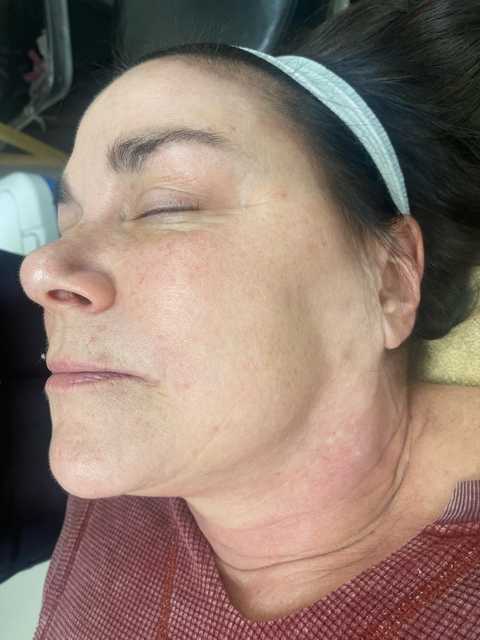
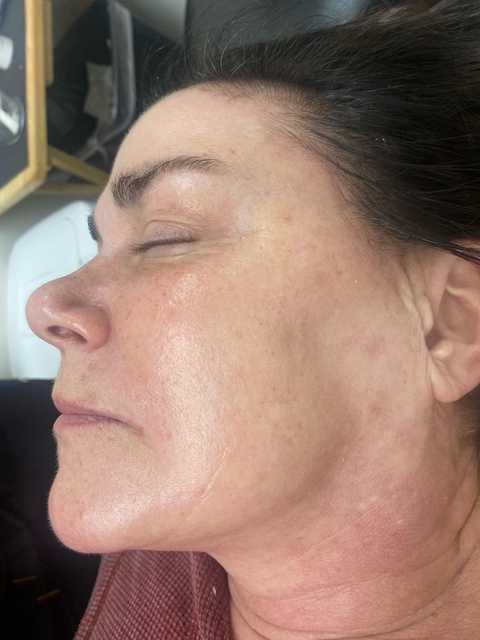
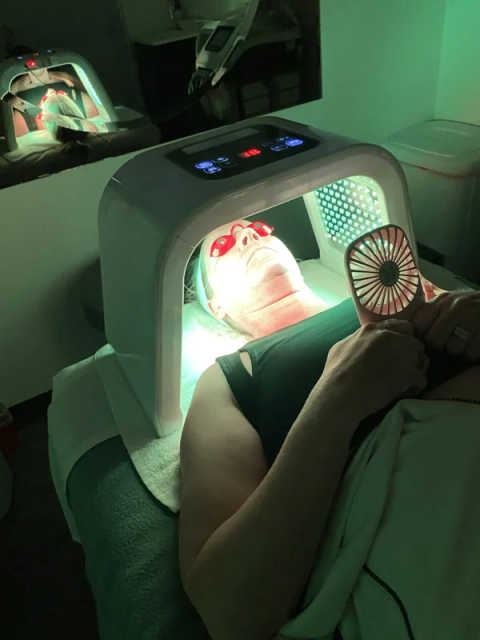
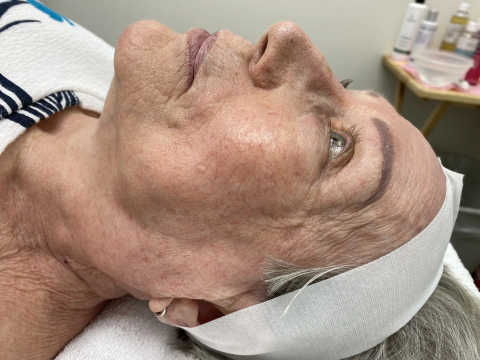


What Our Clients Say
$$MultiPurposeText$$
Read testimonials from our satisfied customers

Michelle is amazing at facials! She was thorough, knowledgeable and I feel that she went t...more

Michelle gave me the most incredible buccal facial massage experience. It completely excee...more

Such a wonderful facial with Michelle! She made me feel so relaxed, and my skin was glowin...more

Michele is amazing! She personalizes every facial depending on what is going on with your ...more

Such a wonderful experience! I dont normally do much in terms of skincare, but my wife con...more

I love Michelle! Her facials are so relaxing. I love that she massages your hands, legs a...more

Frequently Asked Questions
Get answers to common questions about Buccal Massage.
Yes. Buccal Massage is generally safe for sensitive skin when performed by an experienced therapist who adjusts pressure and techniques. Inform your therapist about rosacea, recent fillers, dental work, or infections so they can modify or postpone treatment for your safety.
Our Buccal Massage session lasts 60 minutes as part of the 60–75 minute facial treatments category. This allows time for consultation, inside-and-outside mouthwork, and finishing techniques to ensure balanced relaxation and visible sculpting results.
Generally it's safe, but timing matters. Wait recommended intervals after fillers or Botox and inform your therapist. We coordinate with your injector's guidance to avoid manipulating recently treated areas and reduce risk of displacement or reduced efficacy.
Yes. Buccal techniques target inner cheek and jaw muscles, releasing tension and improving range of motion. Combined with home exercises and stress management, it can significantly reduce clenching and TMJ-related discomfort when provided regularly by a skilled therapist.
Many clients notice immediate soft lifting, reduced puffiness, and improved definition because of fluid drainage and muscle release. Results can be subtle and cumulative; a series of sessions yields longer-lasting contouring and tone than a single treatment.
Share medical history, recent dental work, cosmetic injections, skin sensitivities, allergies, and any current pain or TMJ issues. Also mention medications and pregnancy. This information helps customize pressure, avoid contraindicated areas, and ensure a comfortable, effective buccal session.